
1. 为什么微电网和离岛需要“集装箱级”储能1. Why Microgrids and Islands Need Container-Scale Storage
当你为一个 200 户的村庄、一座旅游岛或一个偏远矿区设计供电时,户用 5–20 kWh 的电池解决不了问题——你需要的是一台能装进一个 20/40 英尺集装箱的“可扩展电网单元”。这类场景的共同点是:没有稳定的主干电网、柴油发电成本极高、可再生能源(光伏/风电)间歇性强。When you design power for a 200-household village, a tourist island or a remote mine, a 5–20 kWh home battery does not solve the problem — you need a scalable grid unit that fits inside a 20/40-foot container. These sites share the same traits: no stable main grid, very expensive diesel, and intermittent renewables (solar/wind).
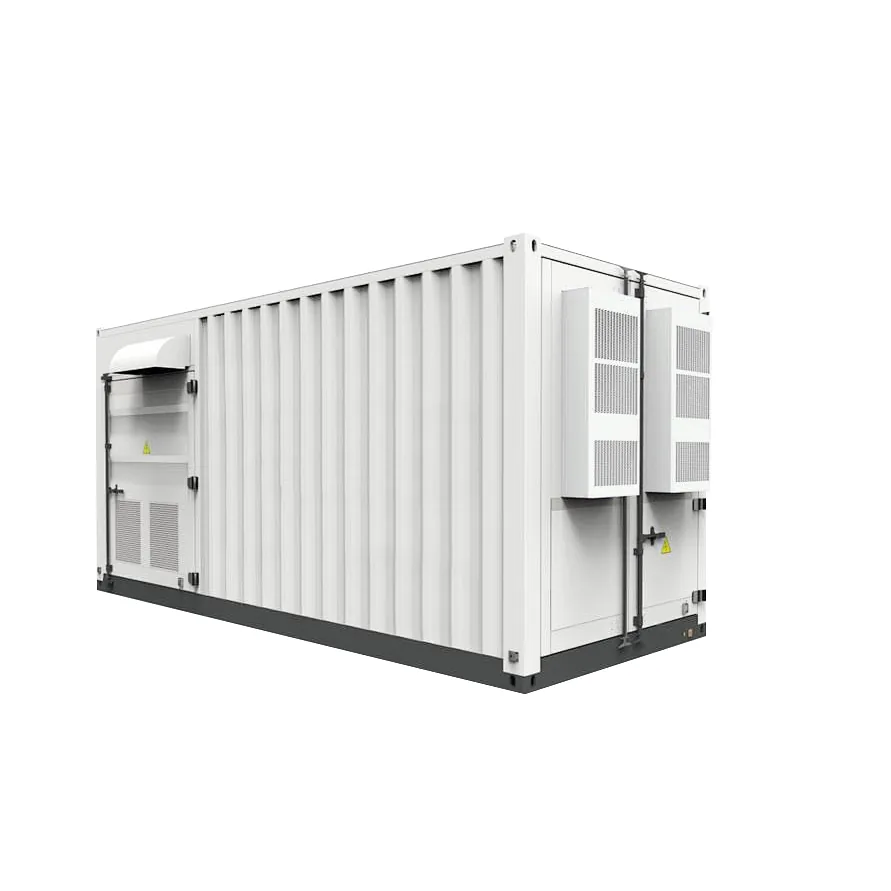
集装箱式储能系统(BESS)之所以成为微电网和离岛的标准答案,是因为它把电池、PCS、BMS/EMS、温控和消防预集成在一个工厂测试好的箱体里——现场只需吊装、接线、并网,交付速度和安全可靠性都远高于现场散装方案。Container battery energy storage (BESS) is the standard answer for microgrids and islands because it pre-integrates cells, PCS, BMS/EMS, thermal control and fire safety into one factory-tested box — on site you only need craning, wiring and grid connection, far faster and more reliable than a site-built assembly.
2. 一个集装箱 ESS 由什么组成2. Anatomy of a Container ESS
一台微电网级集装箱储能通常由以下子系统构成,各子系统决定性能、安全与寿命:A microgrid-scale container ESS is typically built from these subsystems, each determining performance, safety and lifespan:
| 子系统Subsystem | 作用Role | 关键考量Key considerations |
|---|---|---|
| 电池(LFP 电芯 + 模组)Battery (LFP cells + packs) | 储存能量,是系统的“油箱”Stores energy — the fuel tank | 循环寿命 6000+ 次、温度窗口、品牌电芯6,000+ cycles, temperature window, brand cells |
| PCS 储能变流器PCS (inverter) | 交直流双向转换、离网建压DC/AC conversion, off-grid voltage forming | 黑启动能力、离网/并网模式切换速度Black-start, off-grid/on-grid transition speed |
| BMS + EMSBMS + EMS | 电池保护与能量调度Battery protection & energy dispatch | 远程监控、柴发联动、光伏协调逻辑Remote monitoring, genset integration, PV coordination |
| 温控(风冷/液冷)Thermal management | 维持电芯在最佳温度区间Keeps cells in the optimal temperature band | 热带/海岛高温高湿环境尤其重要Critical for hot, humid tropical/island sites |
| 消防与气体探测Fire safety & gas detection | 热失控预警与灭火Thermal runaway detection & suppression | 全氟己酮/气溶胶、排爆阀、舱级防护Clean-agent/aerosol, venting, compartment protection |
| 箱体 / 配电 / 监控Enclosure / switchgear / HMI | 承载、并网与本地操作Housing, grid connection & local operation | IP54+、防盐雾、海运与吊装设计IP54+, salt-spray protection, sea-freight & lifting design |
3. 离岛/微电网场景的特殊挑战3. The Special Challenges of Island & Microgrid Sites
与并网工商业项目不同,微电网和离岛项目有四个必须提前设计的难题:Unlike grid-tied C&I projects, microgrid and island projects have four challenges you must design for up front:
- 柴油依赖与油价波动——储能的第一价值是替代柴油发电时段,系统容量通常按“削峰+平移”的柴油替代量来定;Diesel dependency and price swings — the first value of storage is replacing diesel running hours; capacity is usually sized on the diesel you can displace.
- 间歇性可再生能源——光伏白天出力、晚间需要储能释放,系统必须能平滑波动并维持电压频率稳定;Intermittent renewables — solar peaks by day and must be released at night; the system must smooth variability and hold voltage/frequency.
- 黑启动能力——极端情况下(如台风/飓风后)电网需从零重建,PCS 必须支持黑启动;Black-start — after extreme events (e.g. hurricanes/typhoons) the grid must be rebuilt from zero; the PCS must support black-start.
- 远程运维——现场往往没有工程师,BMS/EMS 必须支持远程监控、诊断与固件升级。Remote operations — there is often no engineer on site; BMS/EMS must support remote monitoring, diagnostics and firmware updates.
4. 系统选型:容量、功率与架构4. Sizing: Capacity, Power and Architecture
选型不是拍脑袋,而是从“负荷曲线”倒推:先统计日负荷与峰值,再决定储能容量(kWh)与功率(kW)。常用经验口径如下:Sizing is not a guess — it works backward from the load profile: measure daily load and peak, then decide storage capacity (kWh) and power (kW). Typical rules of thumb:
| 项目Item | 建议口径Guideline |
|---|---|
| 储能容量Capacity | 通常为日负荷的 30–60%,或覆盖柴油替代目标时长(如晚间 4–6 小时)Typically 30–60% of daily load, or sized to cover a target diesel-off window (e.g. 4–6 evening hours) |
| PCS 功率Power | 匹配峰值负荷或光伏最大出力,C 率多在 0.5C–1CMatched to peak load or max PV output, usually 0.5C–1C |
| 架构Architecture | 纯离网 / 混合微电网(光伏+储能+柴发)/ 并网+备电Standalone off-grid / hybrid microgrid (PV+storage+genset) / grid-tied with backup |
| 冗余与扩容Redundancy & scale | 预留 10–20% 冗余与并联扩容接口,应对负荷增长Leave 10–20% headroom and parallel expansion ports for load growth |
5. 经济性:对比柴油发电5. The Economics: vs Diesel Generation
在很多离岛和偏远地区,柴油发电的平准化度电成本(LCOE)高达 $0.30–0.50/kWh(考虑运输、维护与油价波动)。光伏+储能的组合在 3–6 年内即可摊平投资,之后长期运行成本趋近于零。On many islands and remote sites, diesel LCOE runs $0.30–0.50/kWh once fuel transport, maintenance and price volatility are included. A solar-plus-storage combo typically pays back in 3–6 years, then runs near-zero operating cost.
| 对比项Comparison | 柴油发电Diesel genset | 光伏+集装箱储能PV + Container ESS |
|---|---|---|
| 度电成本 LCOELCOE | $0.30–0.50$0.30–0.50 | $0.10–0.20(含系统摊销)$0.10–0.20 incl. system amortization |
| 噪音/排放Noise / emissions | 高,需持续供油High, constant fuel supply | 安静、零排放Quiet, zero emissions |
| 运维依赖Maintenance | 高(机组+供油链)High (machine + fuel logistics) | 低,远程监控为主Low, remote monitoring |
| 回本周期Payback | —— | 3–6 年(典型)3–6 years (typical) |
注意:以上为行业常识区间,实际取决于当地油价、日照、补贴与融资成本,仅作方案测算起点而非承诺。Note: these are industry-norm ranges; actuals depend on local fuel price, irradiance, subsidies and financing — a modeling starting point, not a guarantee.
6. 采购与集成清单6. Sourcing & Integration Checklist
签约前,把下面这些问题全部问清,比只比价格重要得多:
Before signing, getting these answered clearly matters more than comparing price alone:
- 是否含 EMS/远程监控与柴发联动?谁负责现场调试与培训?Does it include EMS/remote monitoring and genset integration? Who handles site commissioning and training?
- 电芯品牌与循环寿命承诺(6000 次?80% 保底到第几年?)Cell brand and cycle-life commitment (6,000 cycles? 80% retention guaranteed to which year?)
- 认证覆盖(CE、RoHS、UN38.3、目的国准入,如 UL 相关认证;IEC 62619 可按项目安排测试)Certification coverage (CE, RoHS, UN38.3, destination-country entry like UL-related marks)
- 海运/吊装/现场基础要求与交货期(Lead time)Sea-freight, lifting, foundation requirements and lead time
- 质保条款与售后备件、远程支持响应时间Warranty terms, spare parts and remote-support response time
7. 为什么选 Lulin 作为 OEM 伙伴7. Why Lulin as Your OEM Partner
绿岭 Lulin 提供从电芯分选到整箱集成的完整制造能力,支持以你的品牌贴牌(OEM/ODM)出口微电网与离岛项目:工厂预装与测试、可选液冷/风冷、支持 20/40 英尺整箱或分体运输、可配合当地认证与并网要求。我们服务全球经销商、EPC 与项目开发商。Lulin offers full manufacturing from cell sorting to complete container integration, and supports OEM/ODM export of microgrid and island projects under your brand: factory pre-assembly and testing, optional liquid/air cooling, 20/40-ft full-container or split shipping, and alignment with local certification and grid requirements. We serve distributors, EPCs and project developers worldwide.
索取微电网储能方案与报价 →Request a Microgrid ESS Proposal →
常见问题Frequently Asked Questions
集装箱储能能直接替换柴油发电吗?Can a container ESS directly replace a diesel genset?
通常采用“光伏+储能+柴发备电”的混合架构:储能承担大部分日常供电,柴发保留为应急与连续阴雨天的保底,既降成本又保可靠。Usually in a hybrid PV + storage + genset architecture: storage carries daily supply, the genset stays as backup for emergencies and extended overcast periods — cutting cost while keeping reliability.
离岛项目怎么解决运输和安装?How do island projects handle shipping and installation?
集装箱设计为整箱海运与吊装;也可分体(电池柜+PCS柜)进小码头再现场拼装。选型时要提前确认码头吊装能力与道路尺寸。Containers are designed for full-box sea freight and craning; split configurations (battery racks + PCS cabinets) can also be delivered to small harbors and assembled on site. Confirm harbor lifting capacity and road dimensions early.
你们能贴牌(OEM)做微电网整箱吗?Can you OEM the whole microgrid container?
可以。我们可以按你的品牌与规格定制整箱(含 EMS 界面、外观、铭牌),并配合目的国认证与验收。Yes. We can customize the full container under your brand and spec (EMS interface, livery, nameplates included) and support destination-country certification and acceptance.